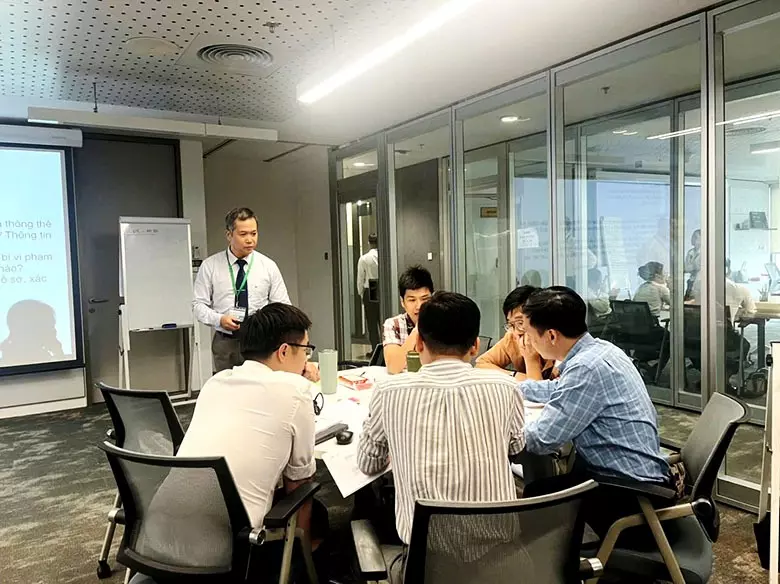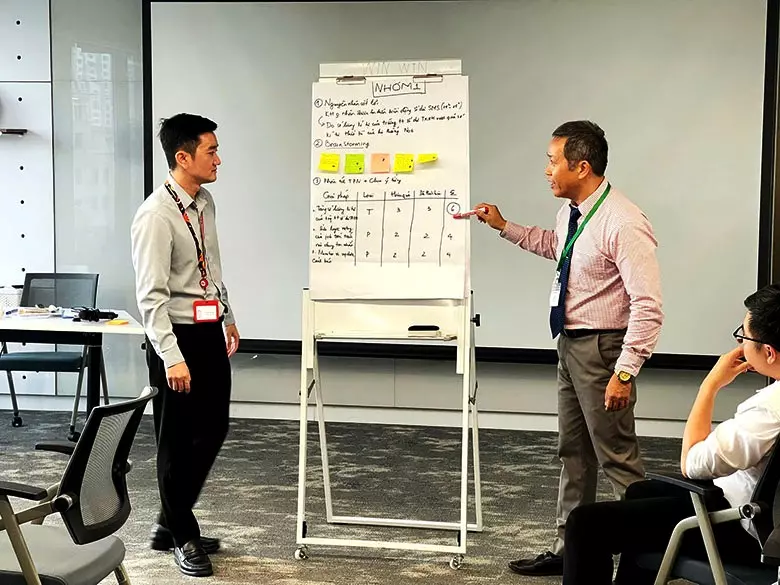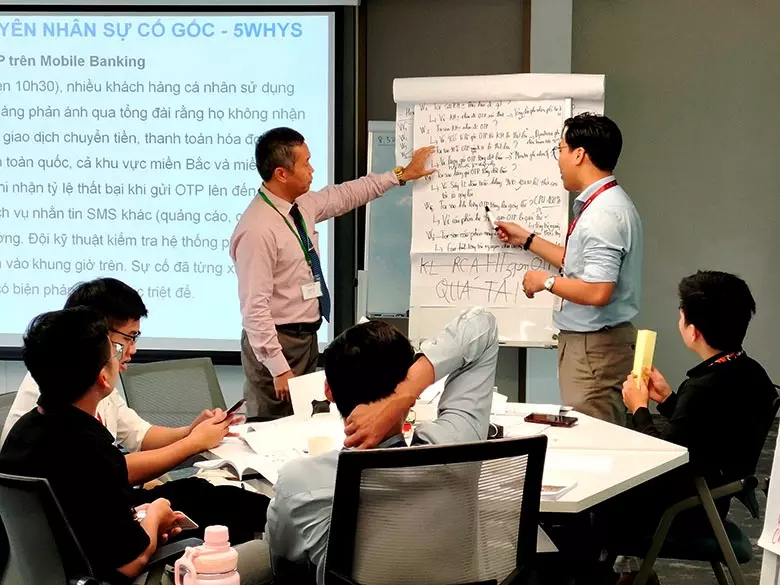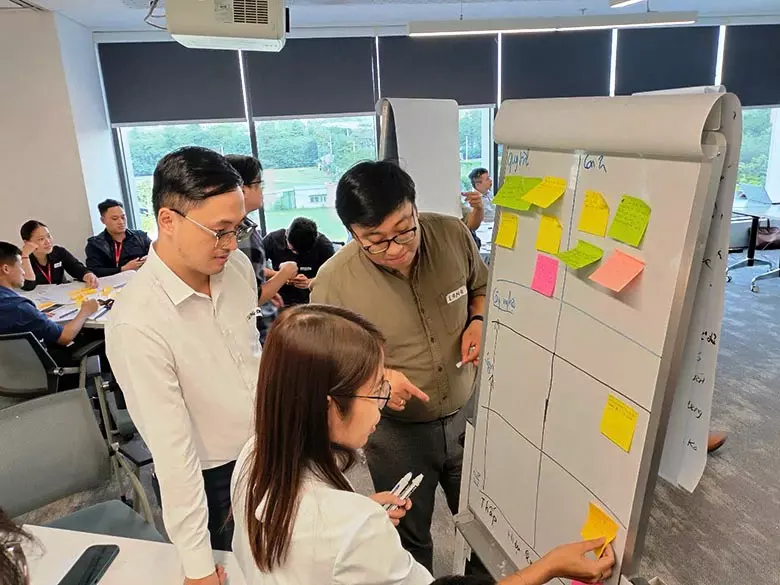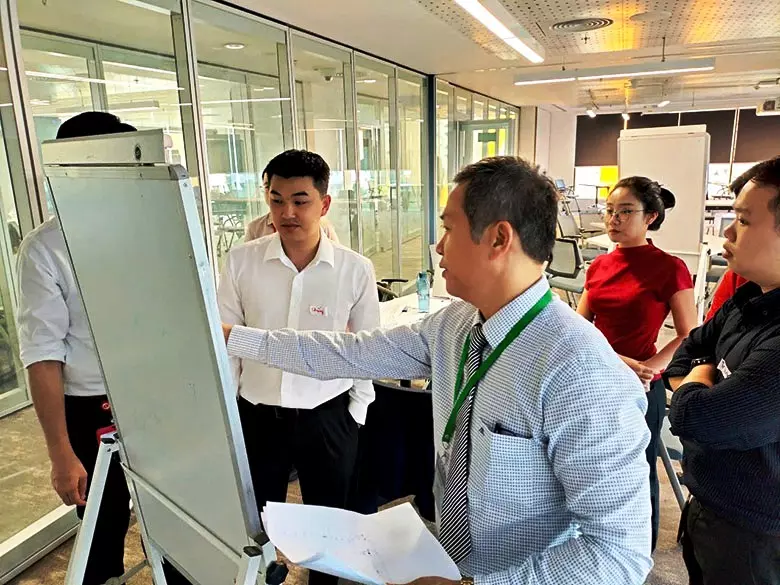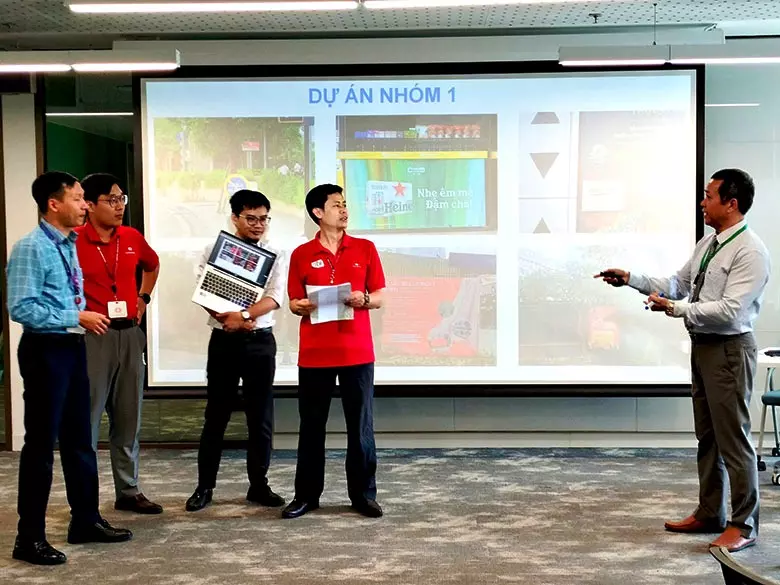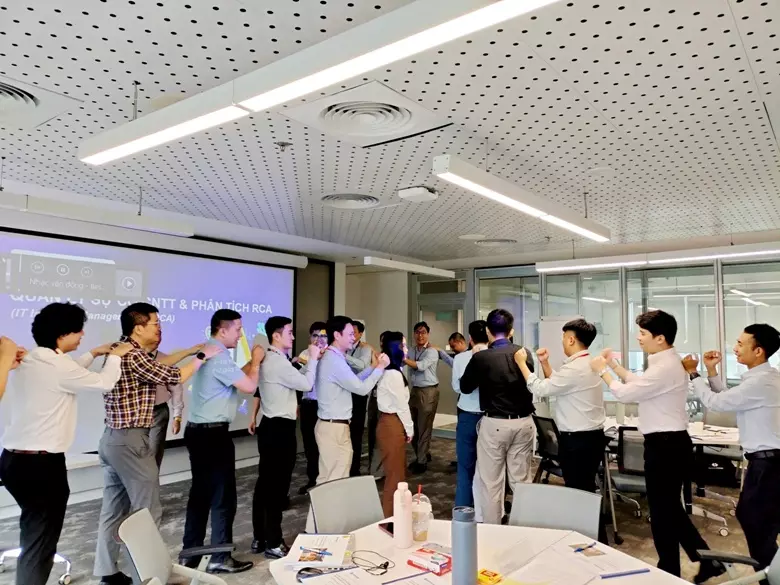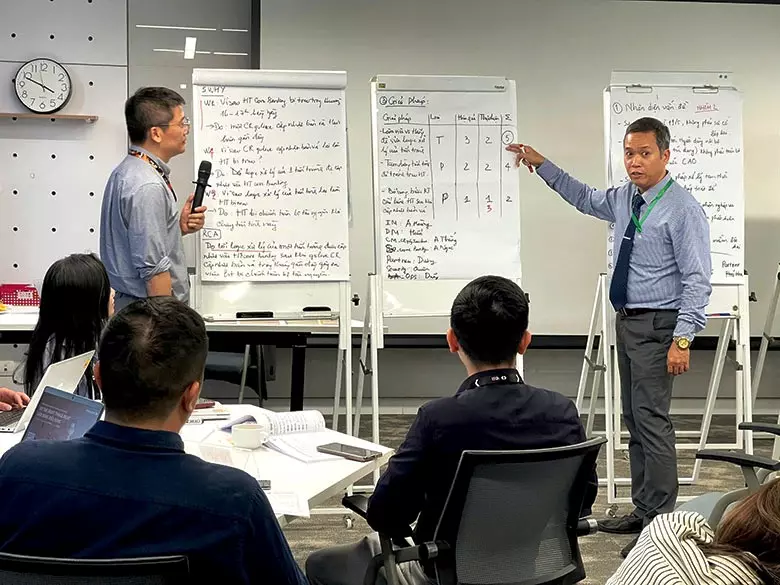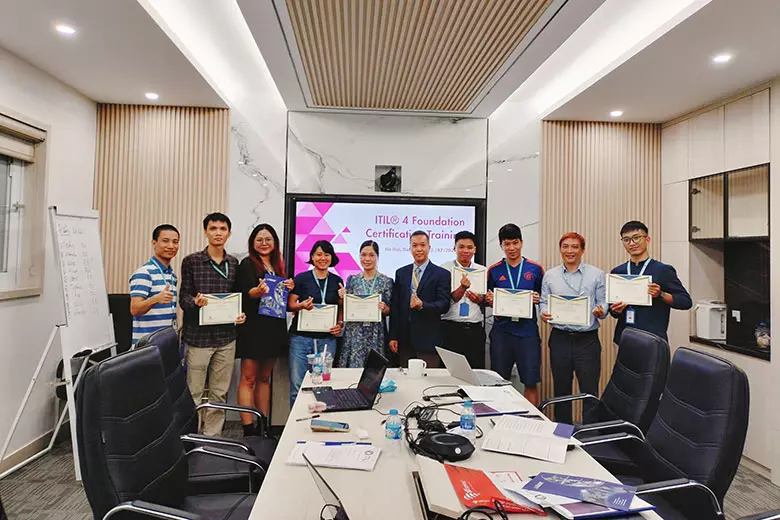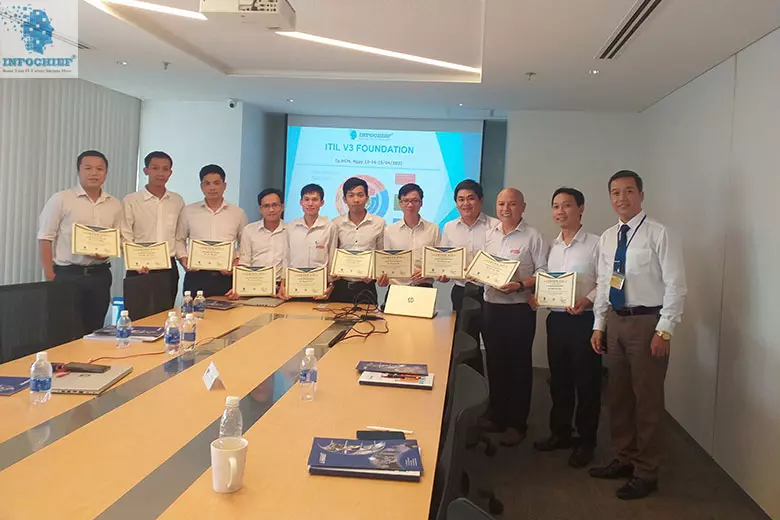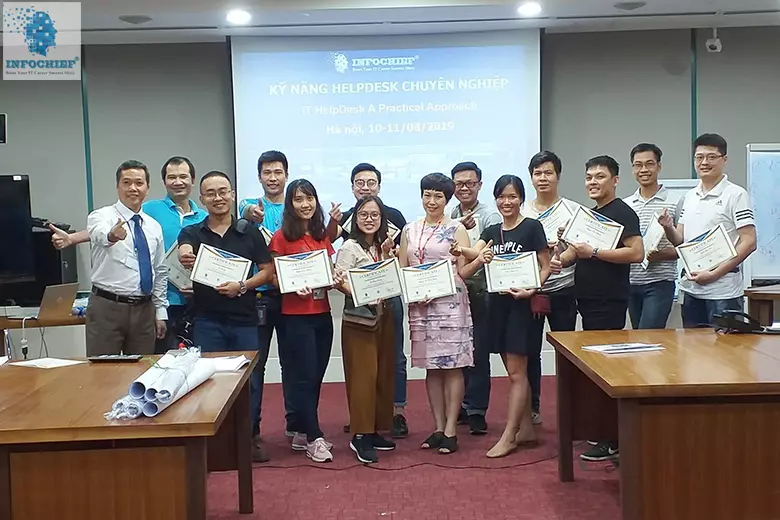
IT service management team analyzing SLAs, Service Desk operations, and service processes in a meeting room

IT Service Management - ITSM

Build and operate an IT Service Management system covering Service Desk, requests, incidents, problems, assets, configuration, changes, and continual service improvement.

Course Contents

1Course Overview

IT Service Management (ITSM) plays an important role in ensuring that information technology services are delivered effectively and consistently. ITSM helps organizations design, implement, operate, and improve IT services, thereby enhancing service quality and customer satisfaction. By applying standardized processes and methods, ITSM helps reduce risk, optimize costs, and improve responsiveness to incidents. It also strengthens coordination across organizational functions and supports the achievement of business objectives.

Infochief Academy’s “IT Service Management - ITSM” course equips learners with the knowledge and skills required to manage IT services effectively.

Delivery FormatIn-house
LevelIT Service Management
CertificationIT Service Management - ITSM

2Training Objectives

  1. Support Management: Organize Service Desk operations to provide effective first-line support.
  2. Request Management: Classify and manage service requests and develop knowledge materials that enable users/customers to resolve common needs independently.
  3. Incident Management: Investigate, diagnose, and resolve incidents as quickly as possible to minimize business impact.
  4. Problem Management: Identify underlying causes of incidents, resolve them, and prevent recurrence.
  5. Asset & Configuration Management: Establish and maintain up-to-date records of hardware, software, services, and documentation, including their relationships.
  6. Change Management: Manage and record changes to hardware, software, services, or documentation to minimize IT disruption and maintain accurate configuration information.
  7. Release & Deployment Management: Plan, test, and manage successful software and hardware deployments, and establish release policies to ensure master software copies are centrally controlled.
  8. Availability Management: Plan to ensure IT services are consistently available as agreed.
  9. Capacity Management: Establish standards and thresholds and monitor service capacity regularly to ensure IT system capacity remains aligned with business demand.
  10. Service Level Management: Work with stakeholders to define, agree, and document achievable service levels and monitor actual performance against those commitments.
  11. IT Service Continuity Management: Plan risk controls that reduce the impact of disasters on IT services and establish recovery plans.
  12. Financial Management: Understand budgeting, accounting, and service costing so that IT and technical resources are deployed and managed effectively.

3Target Participants

i. IT Directors / Heads and Deputy Heads of IT.
ii. Representatives responsible for the IT function.
iii. System operations managers and system compliance managers.
iv. Chief Executive Officers (CEO / Managing Director).
v. IT Consultants.
vi. Staff responsible for delivering IT services to the organization (IT Service Desk).
vii. Professionals who aim to become IT Service Management consultants.

4Course Content

Module 1:IT Service Overview
  • What is an IT service?
  • Benefits of IT services
  • Differences between Customer & User
  • 7 Principles of IT Services
  • IT Service Maturity Levels
  • Implementation approach strategy
  • Plan IT service implementation
  • Common issues when implementing service projects
  • Implementation organization model
  • How to select software tools
Module 2:Service Desk Functions
  • Considerations when selecting a Service Desk model
  • Service Desk operating process
  • Steps to implement the Service Desk
  • Resources required for Service Desk implementation
  • Service Desk operational activities
  • Service Desk roles and responsibilities
  • Objectives for Service Desk implementation
  • Service Desk KPIs
  • Essential Service Desk staff skills
  • Types of Service Desk reports
Module 3:Incident Management
  • Incident Management responsibilities
  • Distinguish Incidents from Problems
  • Incident Management process
  • Steps to implement Incident Management
  • Resources required for Incident Management implementation
  • Incident Management operational activities
  • Objectives for Incident Management implementation
  • Incident Management roles and responsibilities
  • Incident Management KPIs
  • Critical success factors for Incident Management implementation
Module 4:Problem Management
  • Problem Management responsibilities
  • Proactive Problem Management
  • Problem Management process
  • Steps to implement Problem Management
  • Resources required for Problem Management implementation
  • Problem Management operational activities
  • Objectives for Problem Management implementation
  • Incident Management roles and responsibilities
  • Problem Management KPIs
  • Critical success factors for Problem Management implementation
Module 5:Change Management
  • Change Management responsibilities
  • The 7 Rs to consider in Change Management
  • Change Advisory Board (CAB)
  • Change classification
  • Steps to implement Change Management
  • Resources required for Change Management implementation
  • Change Management operational activities
  • Objectives for Change Management implementation
  • Change Management roles and responsibilities
  • Change Management KPIs
  • Critical success factors for Change Management implementation
Module 6:Configuration Management
  • Configuration Management responsibilities
  • 5 Configuration Management activities
  • Configuration Management Database (CMDB)
  • Configuration Management process
  • Steps to implement Configuration Management
  • Resources required for Configuration Management implementation
  • Configuration Management operational activities
  • Objectives for Configuration Management implementation
  • Configuration Management roles and responsibilities
  • Configuration Management KPIs
  • Critical success factors for Configuration Management implementation
Module 7:Deployment Management
  • Deployment Management responsibilities
  • Deployment classification
  • Steps to implement Deployment Management
  • Resources required for Deployment Management implementation
  • Deployment Management operational activities
  • Objectives for Deployment Management implementation
  • Deployment Management roles and responsibilities
  • Deployment Management KPIs
  • Critical success factors for Release Management implementation
Module 8:Service Level Management
  • Service Level Management responsibilities
  • SLA, OLA, and UC components
  • Steps to implement Service Level Management
  • Resources required for Service Level Management implementation
  • Service Level Management operational activities
  • Objectives for Service Level Management implementation
  • Service Level Management roles and responsibilities
  • Service Level Management KPIs
  • Critical success factors for Service Level Management implementation
Module 9:Service Availability Management
  • Availability Management responsibilities
  • Availability Management activities
  • Availability metrics
  • Availability calculation formula
  • Steps to implement Availability Management
  • Resources required for Availability Management implementation
  • Availability Management operational activities
  • Availability Management roles and responsibilities
  • Availability Management KPIs
  • Critical success factors for Availability Management implementation
Module 10:Service Capacity Management
  • Capacity Management responsibilities
  • Capacity Management activities
  • Steps to implement Capacity Management
  • Resources required for Capacity Management implementation
  • Capacity Management operational activities
  • Objectives for Capacity Management implementation
  • Capacity Management roles and responsibilities
  • Capacity Management KPIs
  • Critical success factors for Capacity Management implementation
Module 11:IT Service Continuity Management
  • IT Service Continuity Management responsibilities
  • IT Service Continuity Management activities
  • IT Service Continuity Management lifecycle
  • Risk recovery options
  • Steps to implement IT Service Continuity Management
  • Resources required for IT Service Continuity Management implementation
  • IT Service Continuity Management operational activities
  • Objectives for IT Service Continuity Management implementation
  • IT Service Continuity Management roles and responsibilities
  • IT Service Continuity Management KPIs
  • Critical success factors for IT Service Continuity Management implementation.
Module 12:IT Service Financial Management
  • IT Service Financial Management responsibilities
  • IT cost model
  • IT Service Financial Management activities
  • Steps to implement IT Service Financial Management
  • Resources required for IT Service Financial Management implementation
  • IT Service Financial Management operational activities
  • Objectives for IT Service Financial Management implementation
  • IT Service Financial Management roles and responsibilities
  • IT Service Financial Management KPIs
  • Critical success factors for IT Service Financial Management implementation

5Training Methodology

30% theory – 70% practice. The instructor presents the knowledge framework concisely, followed by discussions, case studies, self-assessments, scenario-based exercises, and action planning to strengthen workplace application.

6Class Information & Enrollment

Upcoming Public Training Schedule

Expected Start DateScheduleClass HoursLocationTuition FeeEarly-bird FeeEnroll
--/--/----Saturday – Sunday08:30 – 16:30Ho Chi Minh City7.500.000 VND6.500.000 VNDEnroll
--/--/----Monday – Friday18:00 – 21:30Hanoi7.500.000 VND6.500.000 VNDEnroll
Note: The early-bird fee applies when tuition is paid at least 15 days before the course start date. Learners may register to attend the first session on a trial basis; Infochief will confirm the official class schedule with registered learners before the course begins.
Total Training Duration: 3 days / 6 sessions.

In-house Training (In-house)

DurationClass SizeTuition Fee
3 days / 6 sessionsUp to 35 learners/class.VND 58,500,000 per class delivered at the factory or company office.
Request In-house Consultation →

7Learning Materials & Certification

Infochief Course Materials

Vietnamese course materials for each module, English reference materials, and sample practical exercises.

IT Templates & Toolkits

Forms, Checklists, Templates, Scorecards, Procedures, Flowcharts, Guidance, Samples, Rules, Policies, Questionnaires, Assessments, and Comparison Charts.

Explore the Toolkits →
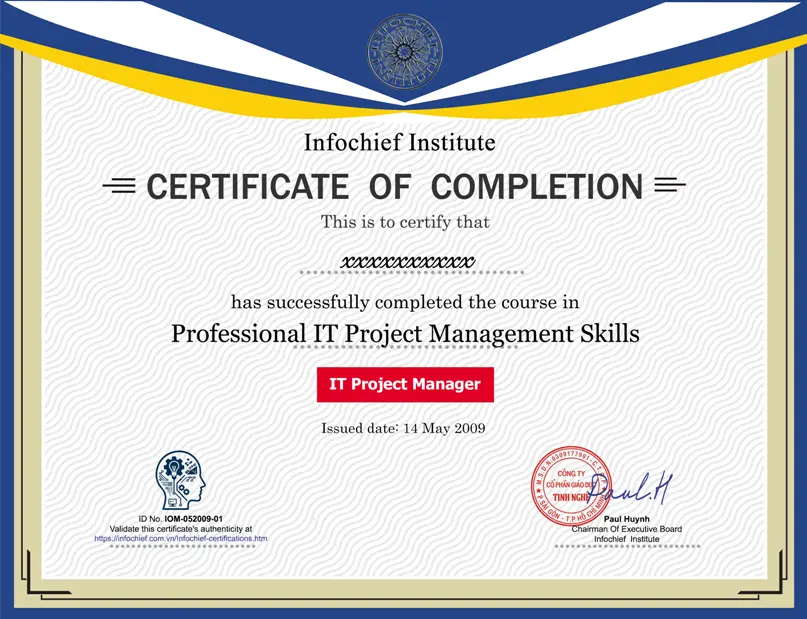
Sample IT Service Management - ITSM certificate issued by Infochief Academy

IT Service Management - ITSM

Learners who complete the full program and all end-of-course requirements will receive an “IT Service Management - ITSM” certificate from Infochief Academy.

Certification Information →

8Learner Testimonials

Trần Thanh Sơn - Infochief Academy learner
Trần Thanh SơnIT Manager · Thien Long

The course shifted my perspective from technical operations toward creating business value, while also strengthening essential management skills.”

Lê Nguyễn Thanh Hai - Infochief Academy learner
Lê Nguyễn Thanh HaiIT Manager · PV Trans

The systematic management content, together with toolkits, processes, and templates, gives learners a stronger foundation for implementing IT plans professionally.”
Võ Thanh Uy - Infochief Academy learner
Võ Thanh UyIT Manager · PNJ

The course materials combine international standards with the Vietnamese business context; the instructor’s experience and supporting toolkits help improve practical management effectiveness.”

Nguyễn Xuân Vinh - Infochief Academy learner
Nguyễn Xuân VinhIT Manager · BIO-PHARMACHEMIE

The content focuses on the issues IT Managers need most, while expanding opportunities to learn from experience and connect with the professional community.”
View More Learner Testimonials →

9Featured Clients