
Trần Văn MườiIT Manager · Khang Thong Group
The program provides practical management knowledge, helps shape career development, offers implementation tools, and provides continued support after the course.”

Build an IT knowledge system covering capture, classification, storage, review, sharing, use, measurement, and continual improvement of the Knowledge Base.
An effective IT knowledge system is critical to improving management, operations, and decision-making across the enterprise. A well-managed knowledge base captures, organizes, and shares technical information, incident-resolution experience, operating guidance, and standard procedures. This reduces errors, shortens training time, and improves IT team productivity while supporting resilience, continual improvement, and operational continuity, thereby strengthening governance and strategic value.
Infochief Academy’s “IT Knowledge Base Development & Management” course equips learners with practical skills to capture, organize, store, and share knowledge within the IT function. Learners develop approaches to designing and operating a knowledge system, building repositories for operating guidance, incident handling, and standard procedures, and applying continual improvement methods to increase productivity, resilience, and continuity of IT operations.
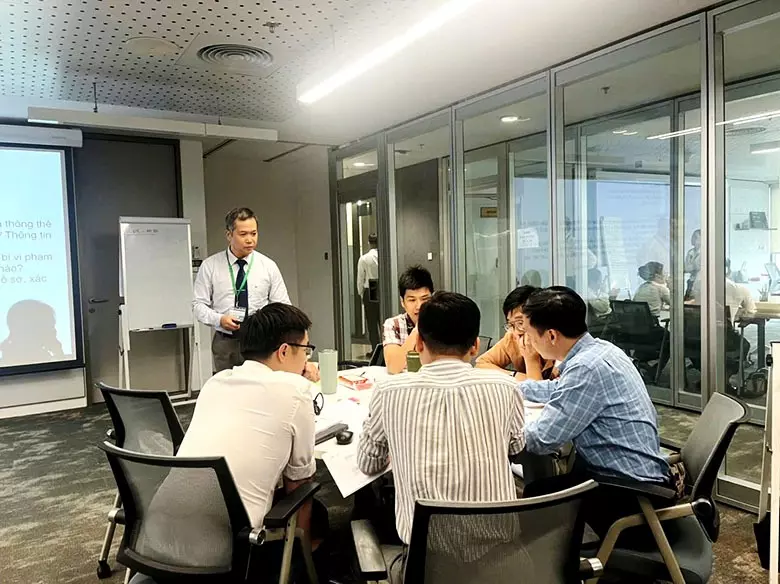
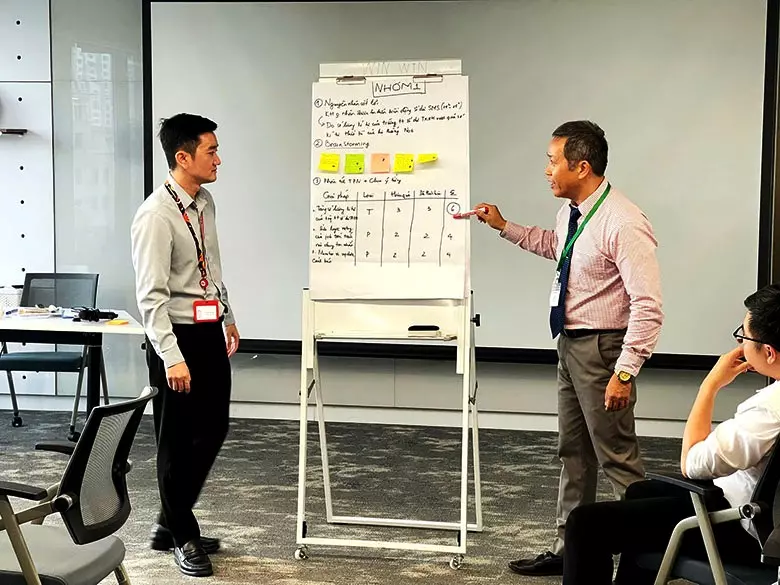
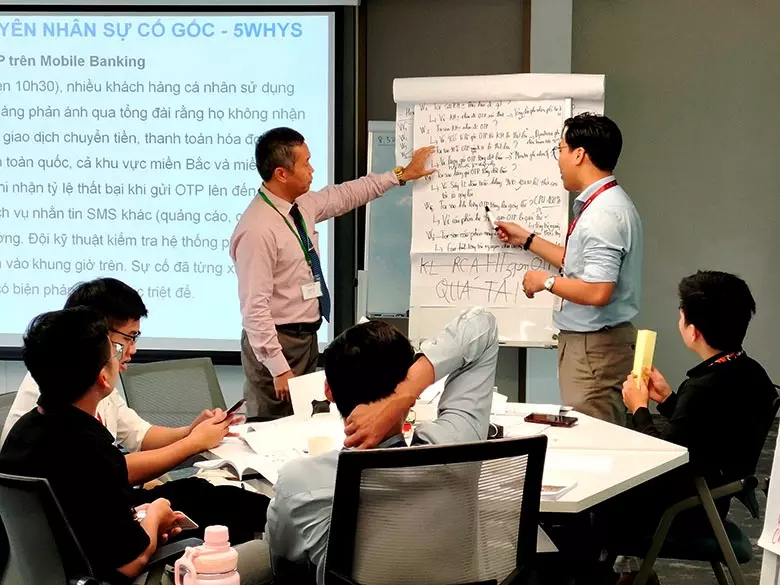
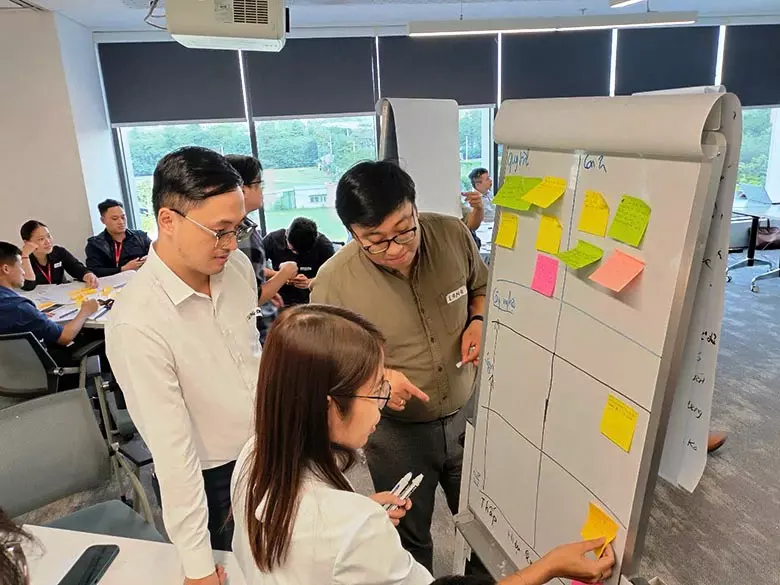
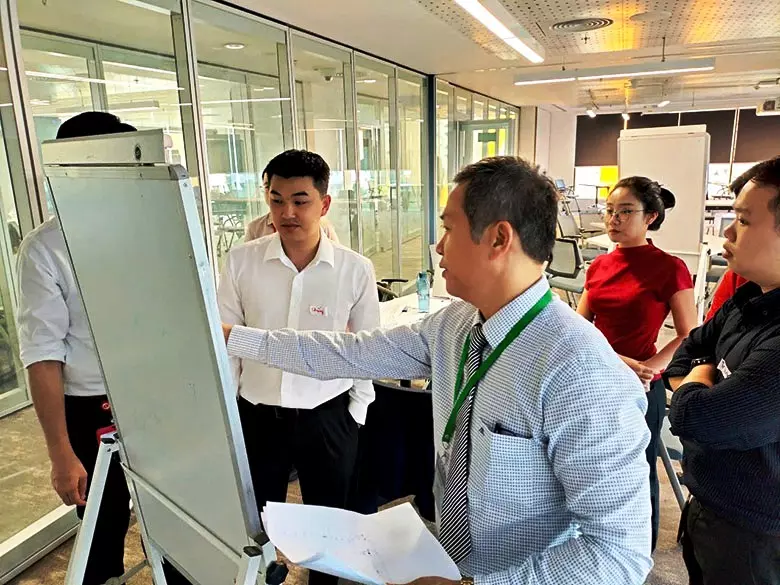
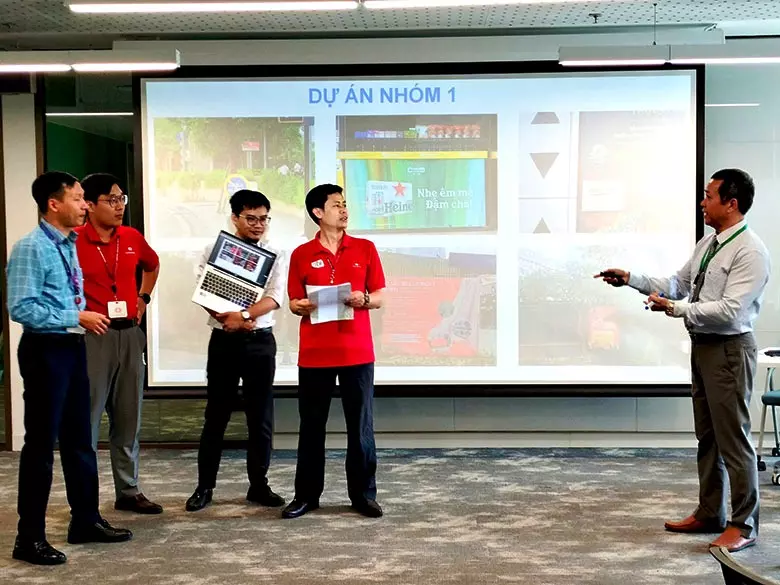
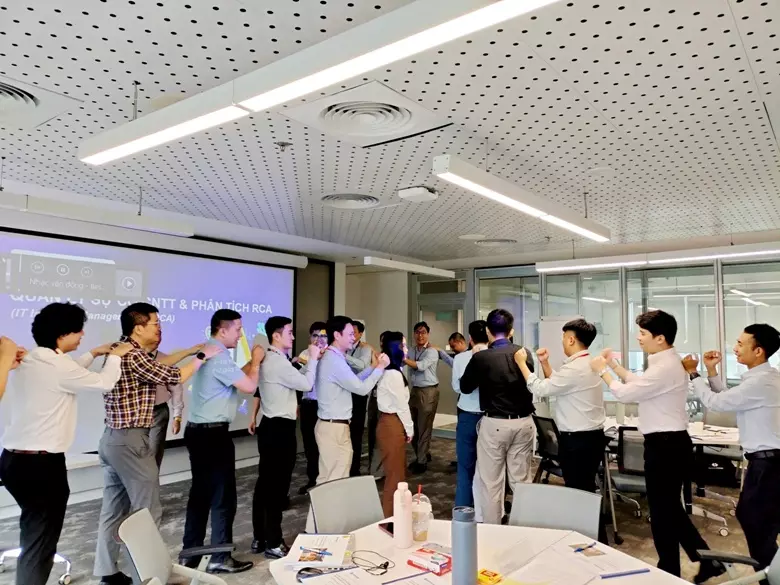
30% theory – 70% practice. The instructor presents the knowledge framework concisely, followed by discussions, case studies, self-assessments, scenario-based exercises, and action planning to strengthen workplace application.
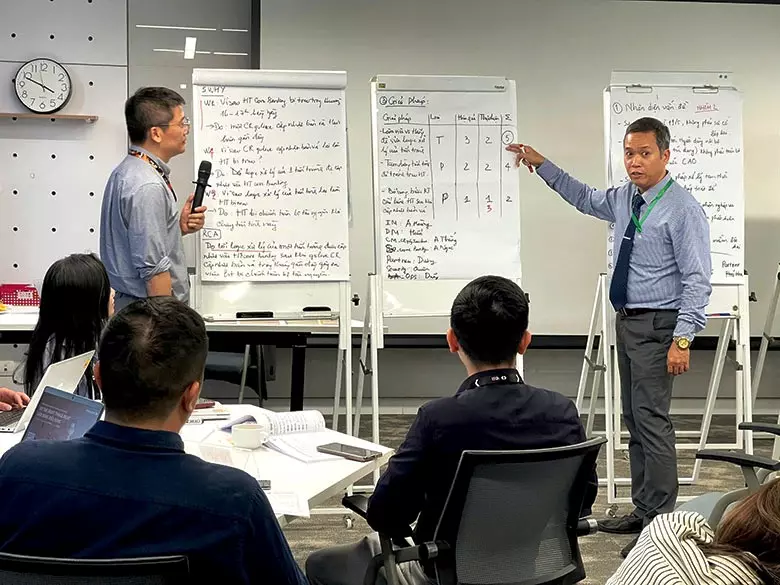
| Duration | Class Size | Tuition Fee |
|---|---|---|
| 2 days / 4 sessions | Up to 35 learners/class | VND 48,500,000 / class conducted at the organization’s factory or office. |
Other costs (if applicable): Depending on the training location, the instructor’s travel and accommodation expenses may be charged separately.
Request In-house Consultation →Vietnamese course materials for each module, English reference materials, and sample practical exercises.
Forms, Checklists, Templates, Scorecards, Procedures, Flowcharts, Guidance, Samples, Rules, Policies, Questionnaires, Assessments, and Comparison Charts.
Explore the Toolkits →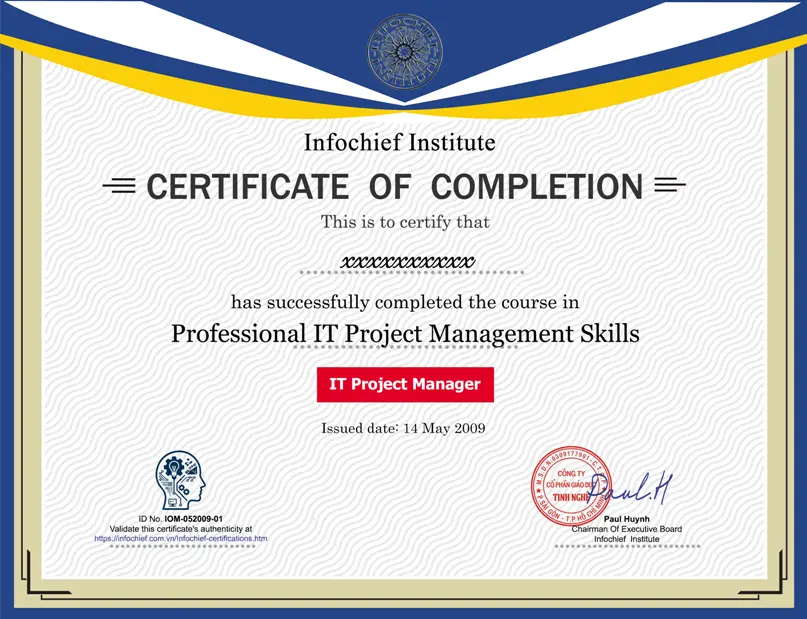
Learners who complete the program will receive a course completion certificate from Infochief Academy.
Certification Information →The program provides practical management knowledge, helps shape career development, offers implementation tools, and provides continued support after the course.”

The systematic management content, together with toolkits, processes, and templates, gives learners a stronger foundation for implementing IT plans professionally.”

The course helps systematize existing knowledge and adds practical lessons that are useful for day-to-day IT management.”

The highly practical content, open learning environment, and professional peer community provide a strong foundation for long-term management development.”
 Completion of Professional Helpdesk Skills Level 1 training for CMC Saigon System Integration.
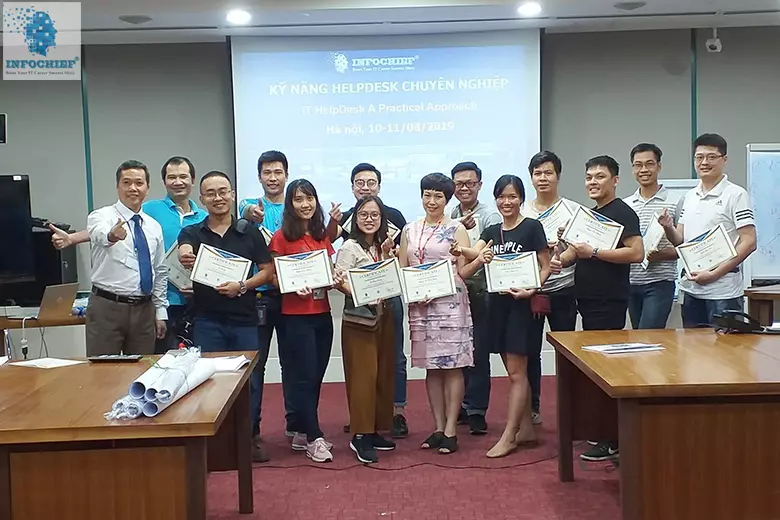 Completion of Professional Helpdesk Skills training for Techcombank Vietnam’s IT Support Center.
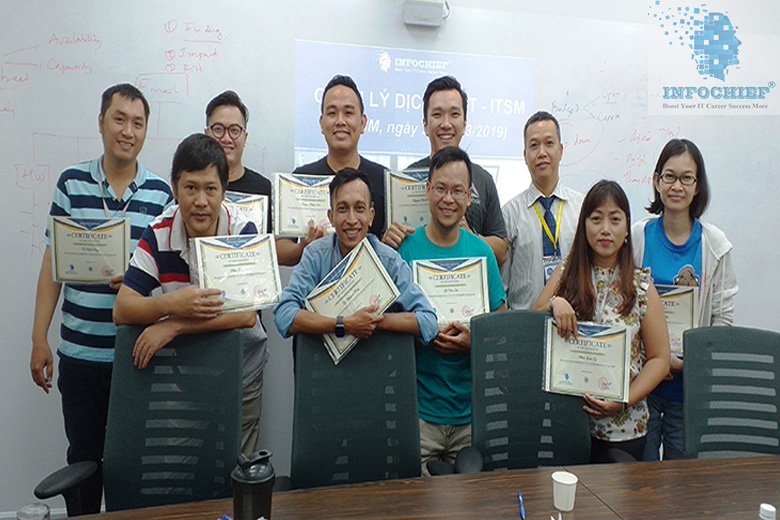 IT Service Management training for the IT Department of International School Ho Chi Minh City.
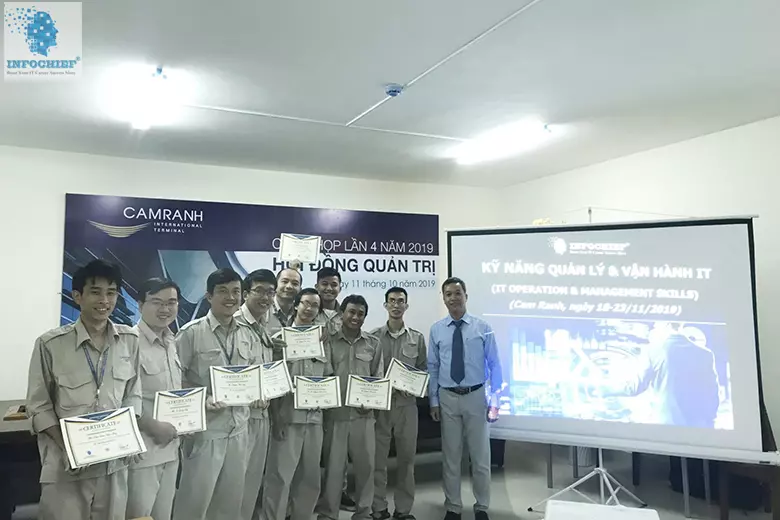 Completion ceremony for the IT Management and Operations course at Cam Ranh International Terminal Joint Stock Company, Cam Ranh City.
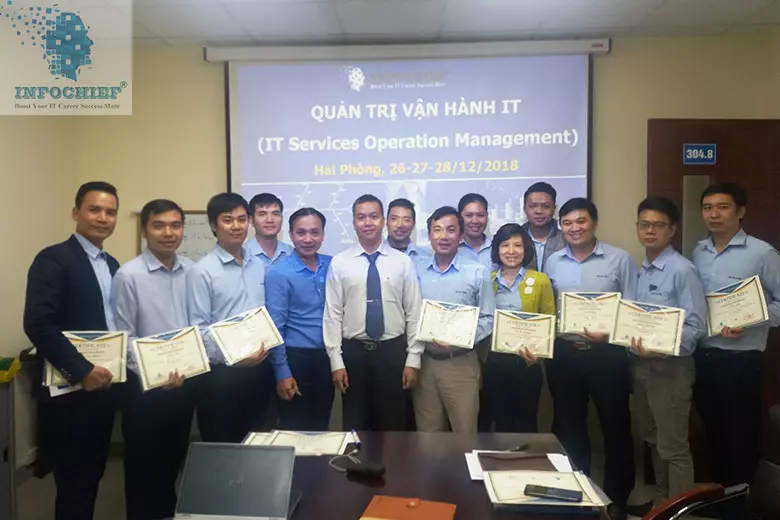 IT Operations Administration training for the IT Center of Hai Phong Port.
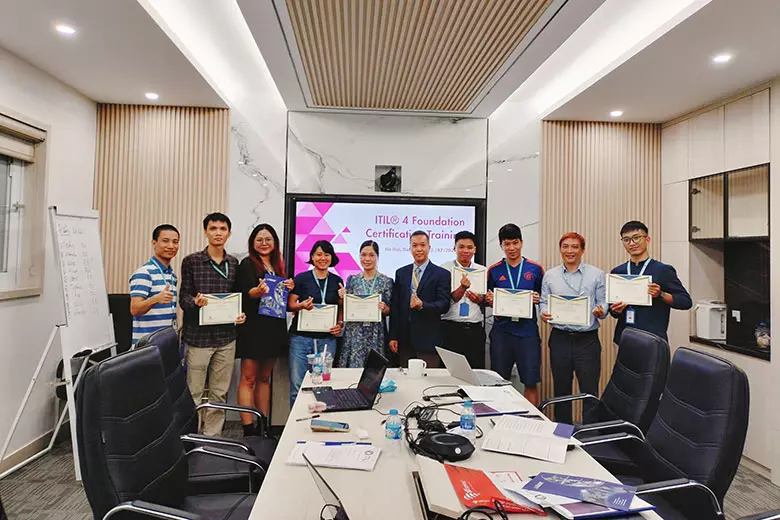 Completion of the ITIL 4 Foundation course at BVIS International School, Hanoi.